
Packaging straight from nature
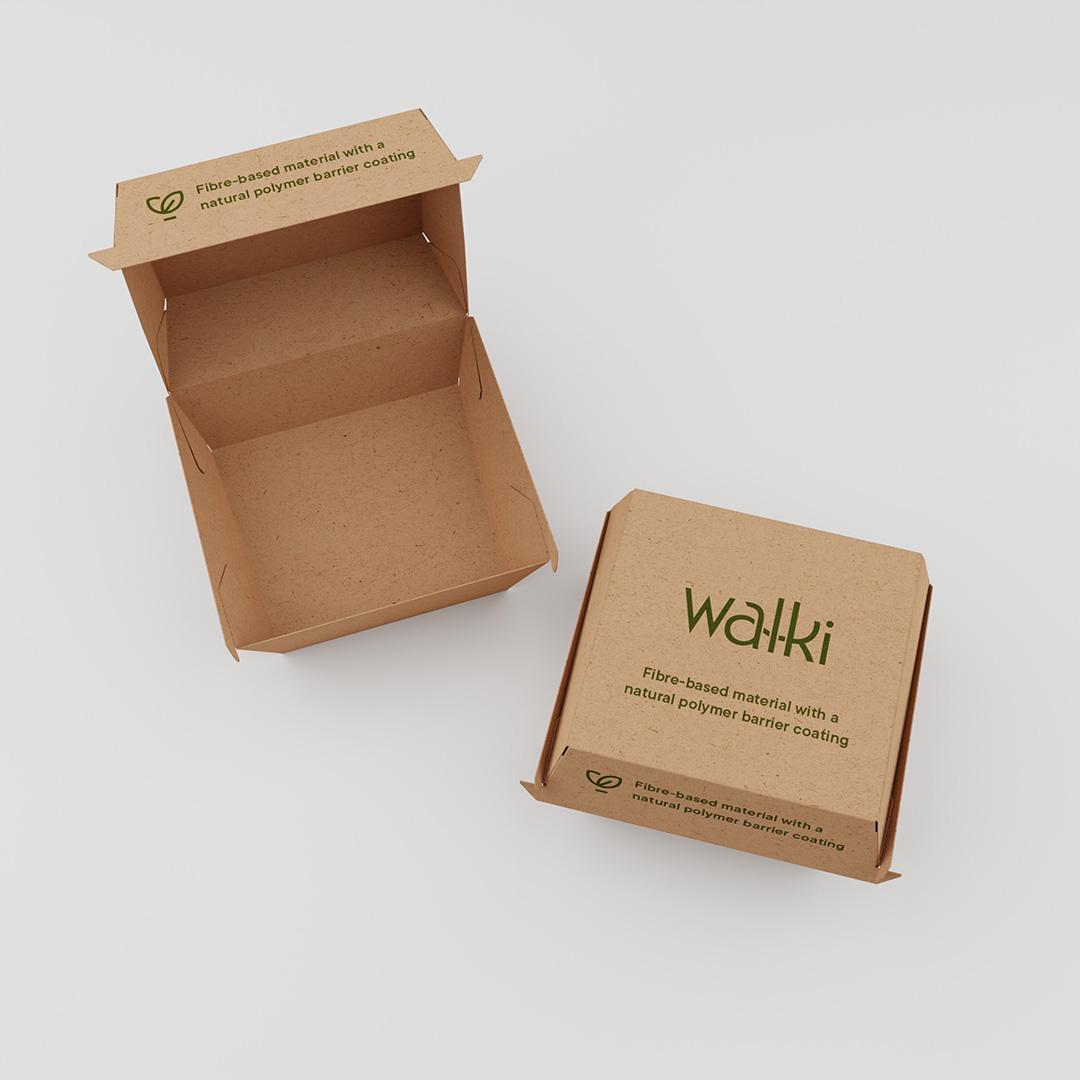
Turning to natural polymers is an ideal way to protect food on the go and the environment at the same time.
Our hectic lifestyles have made food on the go an enticing solution for busy days. While it is a convenient option, it does give rise to a lot of food packaging. What’s even worse is that a lot of that packaging is still left in nature instead of being put in the recycling bin where it belongs.
“The recycling rate for food on the go is regrettably low”, says Mats Käldström, Manager, Development and Innovations at Walki.
The food we consume on the go tends to be greasy fast food, such as hamburgers, French fries or salads with oily dressings. To be fit for fibre recycling the package should be cleaned, but this is seldom an option as you are on the go. Even if the takeaway food is eaten at home, few consumers will bother to scrub the packaging and sort it for recycling.
“If consumers are to recycle, it needs to be easy and convenient”, says Käldström.
A coating of natural polymers
Mats Käldström and his team have been working on a fibre-based material where the barrier coating is made of natural polymers. These biopolymers are produced by living cells; polysaccharides such as starch and cellulose, and as opposed to synthetic polymers, natural polymers are biodegradable in nature. The coating will not, however, protect the food for very long, which is why it’s suitable for food on the go that is typically consumed within an hour or so after purchase.
“The natural polymers protect the food from fat and water for at least a couple of hours, which is all that is needed for fast food”, explains Käldström.
All packaging waste should of course be disposed of in a recycling bin. But in cases when this does not happen for one reason or another, a packaging made of natural polymers will eventually degrade in nature, and even in water.
As the coating is made of natural polymers, it falls outside EU’s Single Use Plastics Directive.
“When you use coating made of natural polymers, a fibre-based single use packaging is no longer considered to be a single use plastic item.”
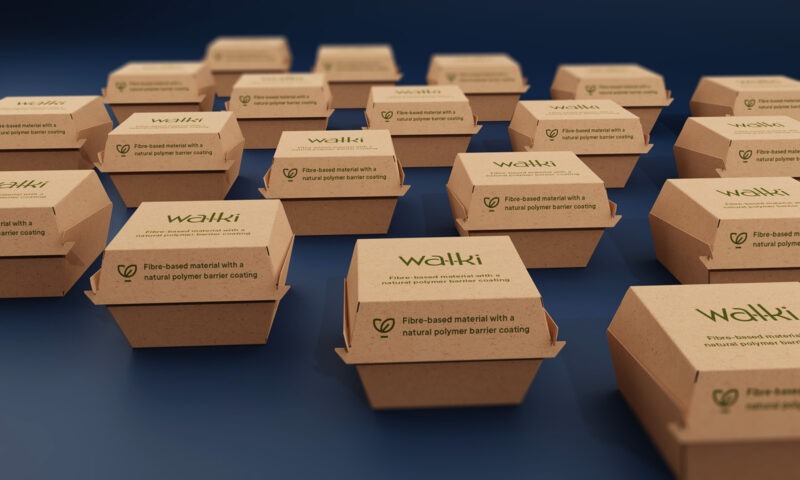
Packaging made of natural polymers can also be run on existing production lines, making it easy for converters to work with the material.
Another benefit with natural polymers is that they are derived from side streams from the food industry.
“With natural polymers, we limit food waste already in the production phase”, explains Käldström.
The big winner is the environment as natural polymers do not give rise to any microplastics and is not harmful to the environment.
“While all packaging should of course be placed in a recycling bin and not encouraging littering, we know that the risk for littering with on the go food is quite big. It’s good to know that in the cases where the packaging does end up on the street or in nature, it will eventually biodegrade.