
Switching to fibre-based packaging step by step
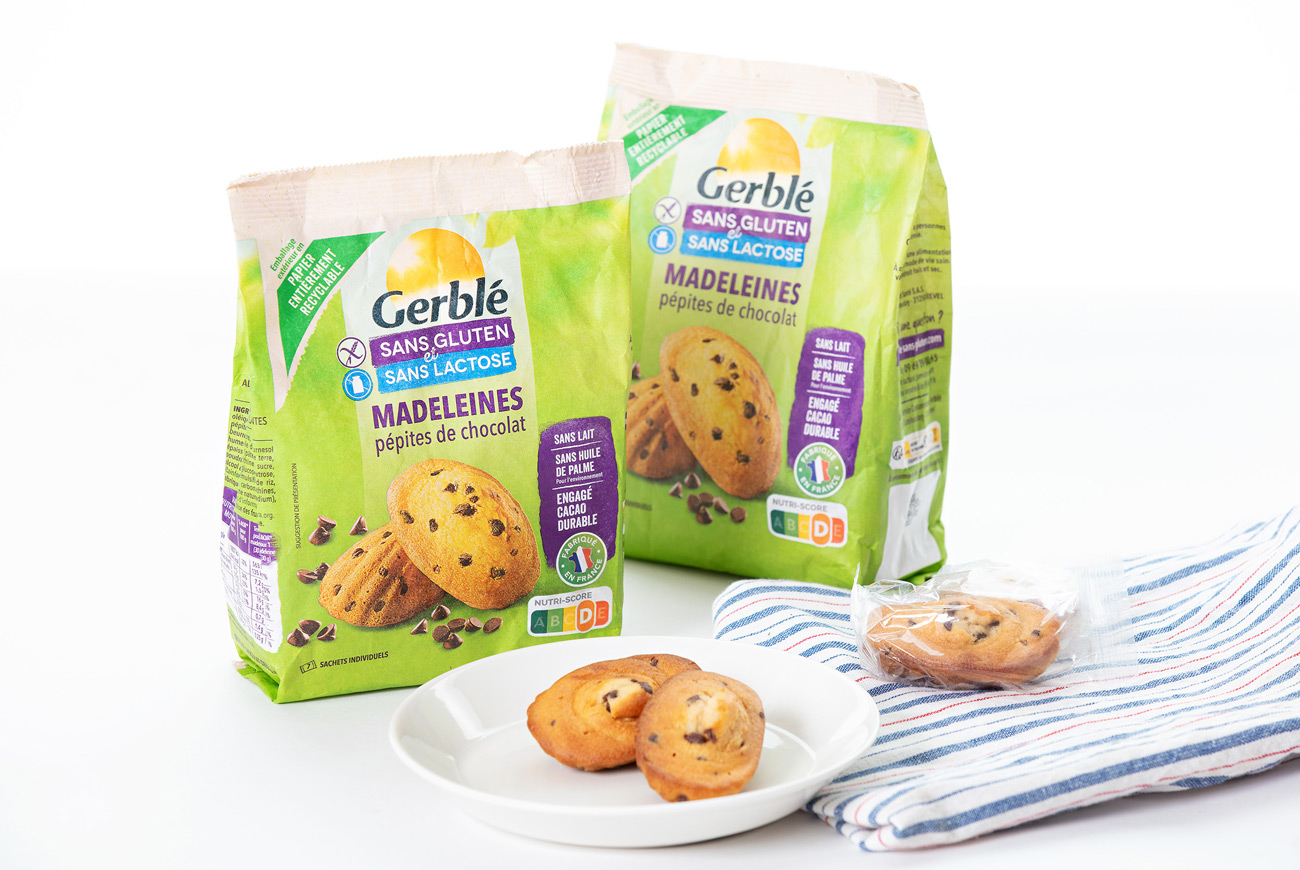
When Nutrition et Santé wanted to switch to fibre-based packaging, their chosen partner was Walki.
In the competitive world of branded bakery products, packaging is more than protection. It is a statement of quality, convenience and sustainability. Nutrition et Santé, a European player with a growing portfolio of organic and indulgent snack products, embarked on a transformation journey to switch to paper-based secondary packaging.
Walki supported Nutrition et Santé in making the move step by step, from conventional plastic films to recyclable solutions, and ultimately toward fibre-based packaging.
Nutrition et Santé’s brownie and cake products, sold under the brand name Gerblé , present a familiar but technically demanding challenge for all things chocolate: the food content has some grease, and you want to protect the delicate flavour. This sets high requirements on the packaging. The food products need to be protected from air and provide a thick enough barrier to prevent the grease from leaking. That is why each brownie is first covered in individual wrapping to get a strong barrier. The brownies are sold in a secondary packaging that enable customers to buy a bundle of brownies conveniently.
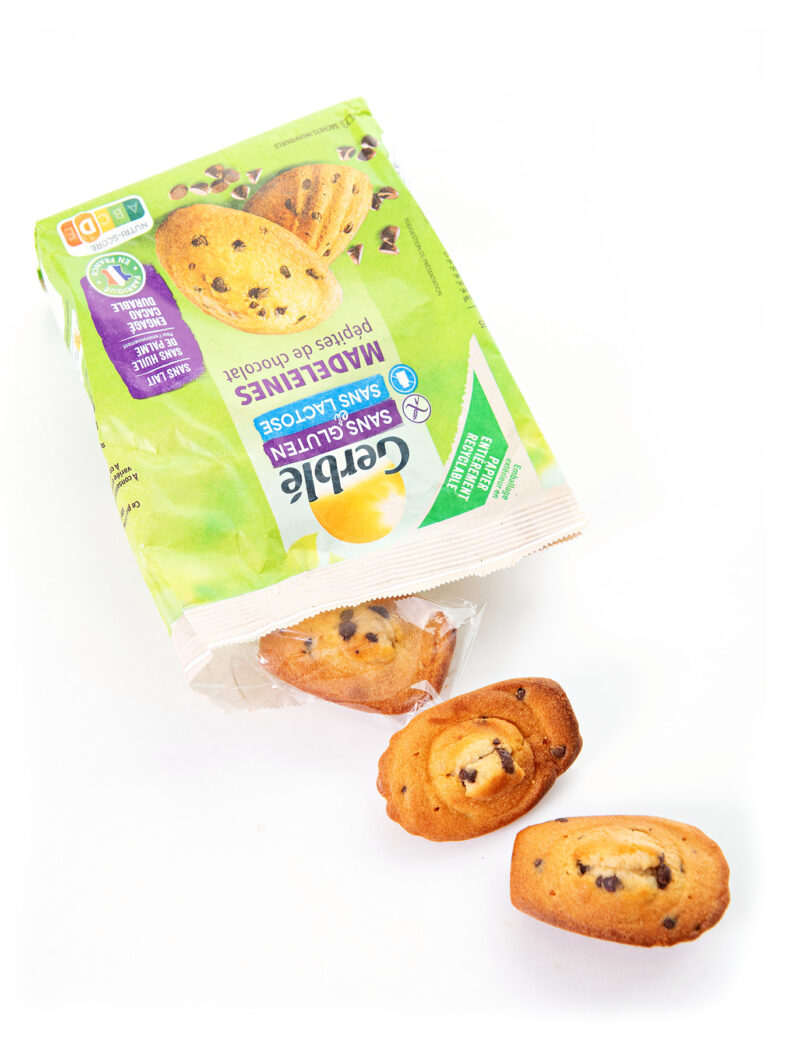
Nutrition et Santé wanted to find a recyclable, paper-based option for the secondary packaging.
While the individual packaging remained plastic-based for functional reasons, the outer flow pack became the key lever for improving sustainability.
Initially, that outer layer was also made polyolefin film. While functional and cost-efficient, it did not align with Nutrition et Santé’s long-term ambition: to be recognised as a sustainable, forward-looking brand across its core markets in France, Italy and the Benelux countries.
“As a mission-led company committed to reducing the environmental impact of our products, we have identified this eco-conception project, which aims to switch to more sustainable, recyclable packaging while reducing the amount of plastic used”, says Yves Le Berre, Packaging Innovation Manager at Nutrition & Santé.
Step by step transition
The two companies first met at a trade exhibition, where Walki presented its capabilities in both film and paper-based solutions. While discussions quickly touched on paper as a future direction, Nutrition et Santé wanted to test Walki’s printing capabilities with the existing material polyolefin film.
This was done in Walki’s Westpak facilities in Finland, where the team is specialised in high-quality printing on plastics film for premium food brands. The team in Westpak impressed Nutrition et Santé with its service-mindedness, reliability and printing quality, and so the journey to switch to fibre-based packaging began.
This time, it was the team in Walki’s Jatne plant that got to work on its brand new state-of-the-art flexoprinting machine where water-based varnish and inks are used to make sure the packaging has more than 95% fibre recyclability.
“This is the most respectful choice possible for the environment”, says Marie Barge.
Rather than attempting a full-scale switch, Walki and Nutrition et Santé again chose a test-and-learn approach, where one SKU of brownies was selected as a pilot for paper-based packaging. The results were convincing. Print quality met expectations, operations ran smoothly, and Walki demonstrated its ability to deliver consistently.
This was not just a technical trial. It was also a market test. Nutrition et Santé observed that the paper-based packaging strengthened its sustainable brand positioning.
“Switching to paper is not just about reducing plastic, it also changes perception and helps brands be recognised as a more sustainable brand”, says Marie Barge.
The transition from film to paper was not a simple material substitution.
“Paper, for instance, comes with different cost structures and processing characteristics compared to plastic films. It can also require adjustments in machine settings, handling, and logistics”, says Marianne Semat, Procurement Manager at Nutrition et Santé.
This project relied on the successful but challenging coordination of several teams: methods, quality, marketing and production.
“The main challenge was maintaining production efficiency, despite the paper’s higher tearability making it necessary to adapt some components of the bagging machine”, explains Yves Le Berre.
Smooth collaboration
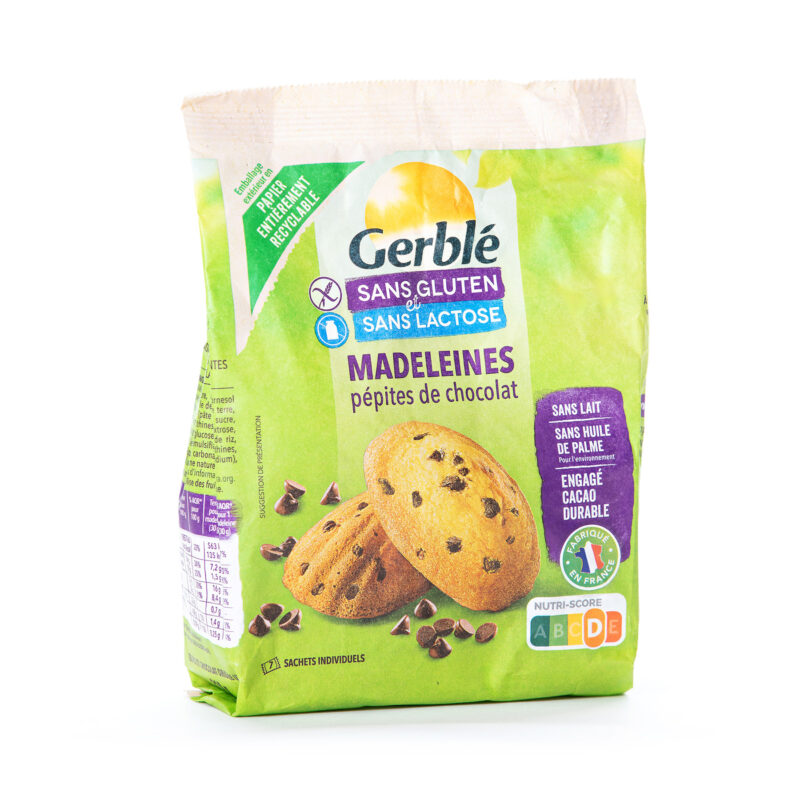
Nutrition et Santé is satisfied with the support Walki provided.
“From the beginning, we had regular discussions on the best way to approach the project. We relied on Walki’s expertise to select the right material to address machinability challenges. At the same time, we worked closely to adapt our artwork to achieve strong print quality on paper,” says Yves Le Berre.
Nutrition et Santé also received support throughout industrial deployment, including samples, technical advice and laboratory testing to compare solutions.
Following the successful pilot, Nutrition et Santé is now moving into the next phase: scaling fibre-based packaging across all its markets.
The journey towards more sustainable packaging solutions continues.
Walki White paper