
Convenient solutions could increase sorting of biowaste in households
Separate collection of bio-waste is mandatory in Finland, yet the recycling rate of bio-waste has remained at around 40 percent. This means that a significant share of organic material still ends up in mixed waste and incineration, even though bio-waste plays a key role in the circular economy as a source of biogas and recycling nutrients.
According to Bioska’s stakeholder and consumer study conducted in spring 2024, one factor slowing down bio-waste recycling is the lack of clarity and regional variation in consumer guidance. Guidelines related to the sorting and packaging of bio-waste are perceived as partly contradictory, which undermines trust in the system and leads to cautious behaviour, often resulting in bio-waste being disposed of as mixed waste.
“With bio-waste bags, terminology blurs the differences between products. Although the use of certified, standard-compliant bags is permitted, not all bags marketed as biodegradable are comparable. There are differences both in testing and in how they function in bio-waste treatment processes,” says Pauliina Saari, Sustainability Director at Walki Group.
The need for more consistent guidance
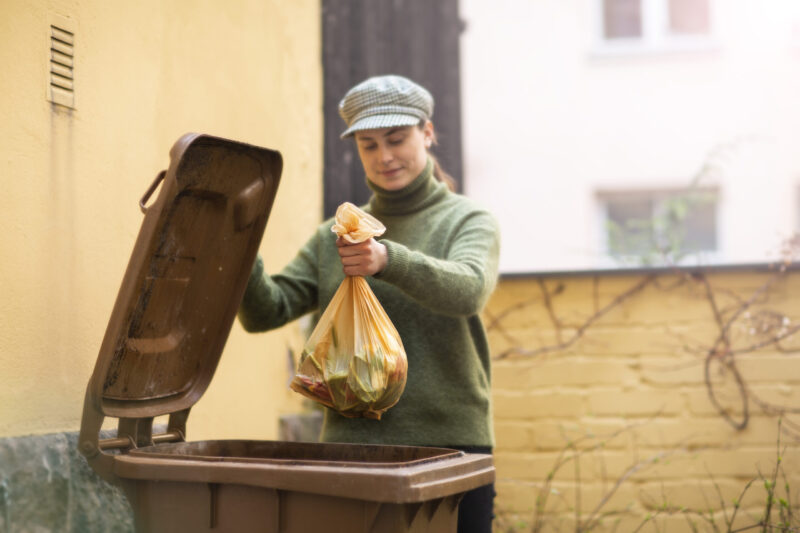
According to the study, the main barriers to bio-waste sorting are related to everyday practicality. Leaking bags, odours, and messy bins reduce motivation to sort waste even when the environmental benefits of bio-waste recycling are well understood. Practical experiences have a direct impact on how well the system functions. Experts agree that ease of sorting and clear guidelines are key factors in increasing the rate of bio-waste recycling.
“The aim is to promote more consistent and precise guidelines for bio-waste collection, especially regarding biodegradable bags. This is not about changing regulations, but about clarifying and specifying existing guidelines,” Saari explains.
EN 13432–certified biodegradable bags are designed for bio-waste collection and for breaking down in bio-waste treatment processes without leaving harmful residues. Based on operational experience from several biogas plants, certified bags generally perform well as part of bio-waste processing. Clearer communication that certified biodegradable bags can be used alongside paper bags could lower the threshold for sorting, particularly in households where paper bags do not work well in practice.
Clarity supports the entire system
The study concludes that improving bio-waste recycling does not require new structures, but rather clearer communication, more consistent guidelines, and practical solutions that support everyday functionality. When these are aligned, bio-waste recycling can be increased in a controlled and reliable manner within the existing system.